Golf Club Grip: The Best Grip for Better Golf Performance
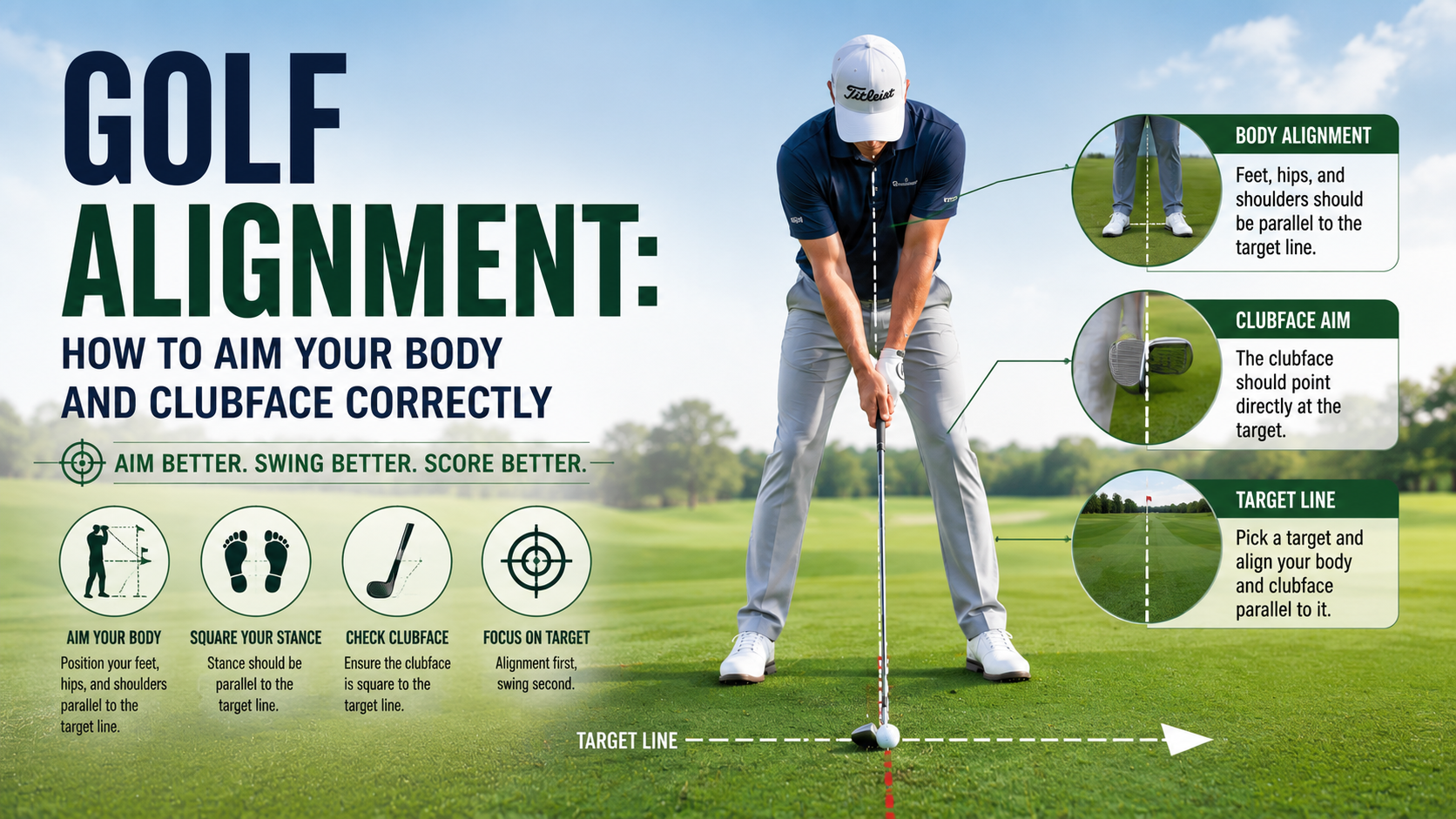
A golf club grip is one of the most important components of a golf club because it is the only point of contact between your hands and the club. While golfers often invest in premium drivers, irons, and putters, many overlook the condition and quality of their grips. However, even the best golf clubs cannot deliver consistent performance if the grip is worn out, the wrong size, or uncomfortable to hold. The right golf club grip helps you maintain better control throughout your swing, improves clubface stability, and increases confidence on every shot. It also allows your hands to stay relaxed, reducing unnecessary tension that can affect your swing speed and accuracy. Whether you are a beginner learning the basics or an experienced golfer looking to improve consistency, selecting the right golf grip can make a noticeable difference in your game. At Golf Chilled, we believe that improving small details often produces the biggest results. This complete guide explains everything you need to know about golf club grips, including grip types, materials, sizes, maintenance, common mistakes, and expert recommendations for choosing the perfect grip.
What Is a Golf Club Grip?
A golf club grip is the protective handle fitted to the top of a golf club shaft where golfers place their hands during a swing. Modern golf grips are available in different materials, textures, and sizes to match various playing styles and weather conditions. Besides providing comfort, the grip plays a critical role in controlling the golf club. A grip that feels comfortable allows golfers to swing naturally without applying excessive hand pressure. On the other hand, a grip that is too slippery, too small, or too large can reduce control and negatively affect ball striking.
Why Is a Golf Club Grip So Important?
Many golfers underestimate how much their grip influences overall performance. Every movement you make during the swing is transferred to the club through your hands, making the grip one of the most important factors in shot consistency. A properly fitted golf club grip helps maintain a stable clubface throughout the swing while reducing unnecessary wrist tension. It also encourages smoother swing mechanics, making it easier to produce straighter shots and better distance control. Replacing old or worn grips is often one of the most affordable ways to improve your golf game without purchasing new clubs.
Different Types of Golf Club Grips
Choosing the right grip starts with understanding the different options available. Each type offers unique advantages depending on your playing style and the conditions in which you usually play.
Rubber Golf Club Grip: Rubber grips are the most common choice among golfers because they provide an excellent balance of comfort, durability, and affordability. Their soft texture makes them comfortable to hold, while their reliable traction allows golfers to maintain consistent control during normal playing conditions. These grips are suitable for beginners, casual golfers, and anyone looking for dependable all-around performance.
Cord Golf Club Grip: Cord grips are manufactured with woven cotton fibers that create additional traction. They are especially popular among golfers who frequently play in humid or rainy weather because they provide a secure hold even when hands become sweaty. Although cord grips feel firmer than standard rubber grips, many experienced and professional golfers prefer them because of their exceptional control.
Hybrid Golf Club Grip: Hybrid grips combine the comfort of rubber with the traction of cord material. This combination gives golfers the best of both worlds by providing a soft lower hand and a firmer upper section for improved stability. Hybrid grips are an excellent choice for players looking for comfort without sacrificing control.
Wrap Golf Club Grip
Wrap grips feature a textured surface that resembles traditional leather grips. They are designed to provide extra cushioning and shock absorption, making them comfortable for golfers who experience hand fatigue or joint discomfort. Their soft feel makes them a popular choice among senior golfers and players who prefer additional comfort during long rounds.
How to Choose the Right Golf Club Grip Size
Grip size has a significant impact on your comfort and swing mechanics. Choosing the wrong size can lead to inconsistent shots, unnecessary hand movement, and reduced confidence. Golf grips are generally available in undersize, standard, midsize, and jumbo options. Golfers with smaller hands often feel more comfortable using undersize or standard grips, while players with larger hands may benefit from midsize or jumbo grips. A properly fitted grip allows your hands to remain relaxed throughout the swing, improving club control and making it easier to return the clubface squarely at impact.
Signs It's Time to Replace Your Golf Club Grip
Golf grips naturally wear out after repeated use. Dirt, sweat, sunlight, and changing weather conditions gradually reduce their original texture and performance. If your grips feel smooth instead of tacky, become shiny, develop visible cracks, or force you to squeeze the club harder than usual, it is probably time for a replacement. Most golfers replace their grips every 40 to 60 rounds or at least once a year, depending on how frequently they play. Fresh grips immediately restore traction, comfort, and confidence without requiring expensive equipment upgrades.
How to Maintain Your Golf Club Grip
Proper maintenance helps your grips perform better and last longer. Regular cleaning removes dirt, oils, and moisture that reduce grip traction over time. Cleaning your grips with warm water, mild soap, and a soft brush every few weeks helps restore their original feel. After cleaning, rinse them thoroughly and allow them to dry completely before using your clubs again. Storing your golf clubs in a cool, dry environment also helps prevent premature wear caused by excessive heat and humidity.
Common Golf Club Grip Mistakes
Many golfers unknowingly lose performance because of simple grip mistakes. Using grips that are too small or too large can affect wrist movement and clubface control. Continuing to play with worn-out grips often causes players to grip the club too tightly, creating unnecessary tension throughout the swing. Another common mistake is ignoring grip maintenance. Dirty grips lose traction much faster and can become slippery during play. Regular inspection and cleaning help ensure your grips continue performing at their best.
Benefits of Using the Right Golf Club Grip
Using the correct golf club grip can dramatically improve both your comfort and performance on the golf course. A properly fitted grip helps you maintain better control of the club throughout your swing, resulting in straighter shots, improved accuracy, and more consistent ball striking. Because your hands remain relaxed, you can generate smoother swing mechanics and better clubhead speed without applying unnecessary grip pressure. The right grip also improves confidence by providing a secure and comfortable connection with the club. It reduces hand fatigue during long practice sessions and full rounds, allowing you to maintain consistent performance from the first tee to the final hole. Since replacing golf grips costs far less than purchasing new clubs, upgrading your golf club grip is one of the smartest and most cost-effective investments any golfer can make.
Expert Tips for Better Golf Club Grip Performance
Golf professionals recommend checking the condition of your grips regularly rather than waiting until they become completely worn. Replacing grips before they lose their original texture helps maintain consistent performance throughout the season. It is equally important to keep your grip pressure relaxed during every swing. Holding the club too tightly restricts wrist movement and reduces swing efficiency. Practicing with the same grip style and maintaining clean grips can help develop better muscle memory and improve overall consistency. At Golf Chilled, we encourage golfers to treat grip maintenance as an essential part of improving their overall game.
Frequently Asked Questions
How often should golf club grips be replaced?
Most golfers should replace their grips every 40 to 60 rounds or at least once a year, depending on how often they play and practice.
Which golf club grip is best for beginners?
Rubber golf grips are usually the best option for beginners because they offer excellent comfort, durability, and reliable traction while learning the fundamentals.
Does golf club grip size really matter?
Yes. Using the correct grip size improves comfort, club control, and swing consistency. A grip that is too small or too large can negatively affect accuracy and ball flight.
Can replacing golf grips improve my game?
Yes. Fresh grips provide better traction, increased comfort, and improved control, allowing golfers to swing with greater confidence and consistency.
Conclusion
A quality golf club grip is one of the most valuable upgrades any golfer can make. It influences your comfort, control, confidence, and consistency on every shot while helping you develop a smoother and more reliable golf swing. Choosing the correct grip material, selecting the proper size, maintaining your grips regularly, and replacing them when necessary can significantly improve your overall golf performance. Whether you are new to the game or an experienced player looking for more consistent results, investing in the right golf club grip is a simple decision that delivers long-term benefits. At Golf Chilled, we believe that mastering the fundamentals and paying attention to equipment details will help every golfer enjoy better performance and greater confidence on the course.